
The Allure of Risk and Reward
The psychology of casino gambling is intricately tied to the allure of risk and reward. When players step into a casino, they are often drawn by the promise of quick and substantial financial gains. This potential for reward can trigger powerful psychological responses, including excitement and anticipation. For many, the thrill of possibly winning a jackpot activates the brain’s reward system, leading to the release of dopamine, a neurotransmitter associated with pleasure and reinforcement. In this exciting context, players often seek the best bitcoin sportsbook to enhance their gambling experiences.
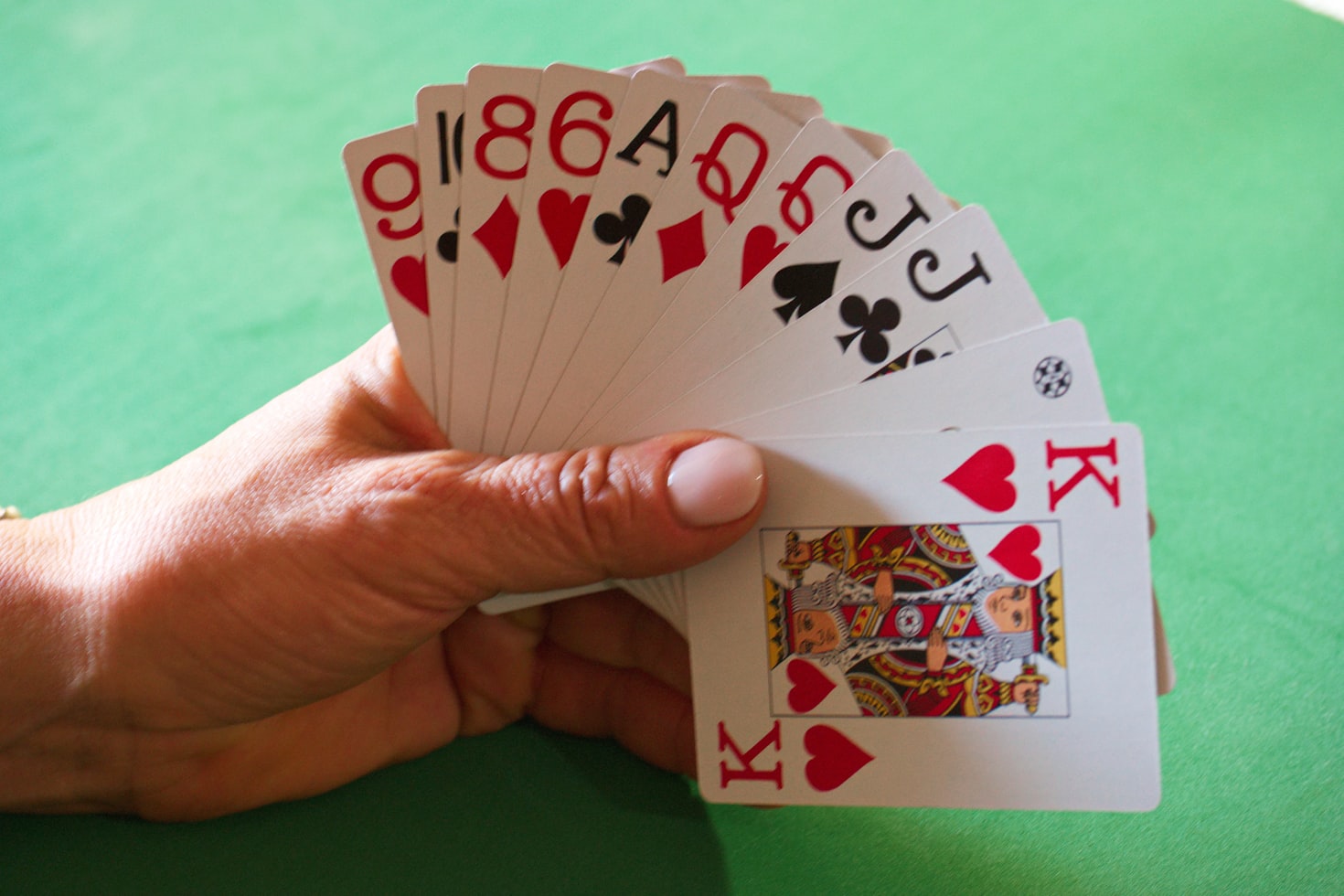
This connection between gambling and the brain’s reward pathways explains why many individuals find themselves returning to casinos despite past losses. The potential for a win stimulates a sense of hope and elation that can be highly addictive, often overshadowing the risks involved. This phenomenon can lead to a chase for losses, where players continue to gamble in hopes of recouping what they’ve lost, further deepening their engagement with the casino environment.
The Role of Environment and Social Influence
The environment of a casino plays a crucial role in enhancing the thrill of gambling. With vibrant lights, enticing sounds, and an atmosphere designed to excite, casinos create an immersive experience that can heighten emotional responses. The sensory stimulation can lead attendees to lose track of time and money, further complicating their decision-making processes. This psychological immersion creates an environment ripe for impulsive behavior, making it easy for players to become absorbed in games.
Moreover, social influences cannot be overlooked. Many people enjoy gambling as a social activity, whether it involves friends, family, or even strangers at a gaming table. The communal aspect of gambling can amplify the thrill, as shared moments of excitement and disappointment create a strong sense of camaraderie. This social bond can lead to a greater willingness to take risks, further fueling the adrenaline rush associated with gambling.
Cognitive biases play a significant role in the psychology of gambling. One of the most prevalent biases is the illusion of control, where individuals believe they can influence outcomes in games of chance. This belief can lead players to engage in riskier bets or strategies, as they feel empowered by a false sense of skill. Additionally, the gambler’s fallacy, the notion that past events influence future probabilities, can lead to poor decision-making, causing players to chase losing streaks with the hope of an eventual win.
These cognitive distortions create a psychological barrier that can keep players entrenched in their gambling habits. The rationalizations they develop to justify their gambling behaviors often overlook the mathematics behind the odds, which are designed to favor the house. Understanding these biases is key to grasping why many people struggle to remain rational when faced with the thrilling possibilities of casino games.
The Emotions of Winning and Losing
The emotional rollercoaster of gambling is a significant factor in its appeal. Winning a game can lead to an exhilarating high, fostering feelings of joy and confidence. Conversely, losing can induce stress, disappointment, and even anger. These emotional highs and lows are what many gamblers seek, creating a complex relationship with the casino experience. For some, the euphoric highs of winning can become a driving force, prompting them to gamble repeatedly in hopes of replicating that feeling.
Interestingly, the rush of adrenaline that accompanies both wins and losses can reinforce gambling behavior. The unpredictability of outcomes adds to the excitement, making each moment spent in the casino feel unique and thrilling. This cycle of emotions keeps players engaged, as they continuously seek ways to experience the highs while managing the lows, leading them deeper into the world of gambling.

Engaging with Responsible Gambling Resources
Responsible gambling is an essential aspect of the modern gaming landscape. With the thrill of gambling comes the responsibility of understanding its psychological impacts. Many organizations and websites aim to provide players with the tools to engage in gambling responsibly, encouraging self-awareness and moderation. These resources help players recognize the signs of problematic gambling behavior and offer strategies for maintaining a healthy relationship with gaming activities.
By prioritizing responsible gambling, individuals can enjoy the thrill of the casino experience without falling prey to its inherent risks. Through education and support, players can learn to balance the excitement of gambling with the need for emotional and financial stability, thereby fostering a more sustainable approach to their gaming habits.